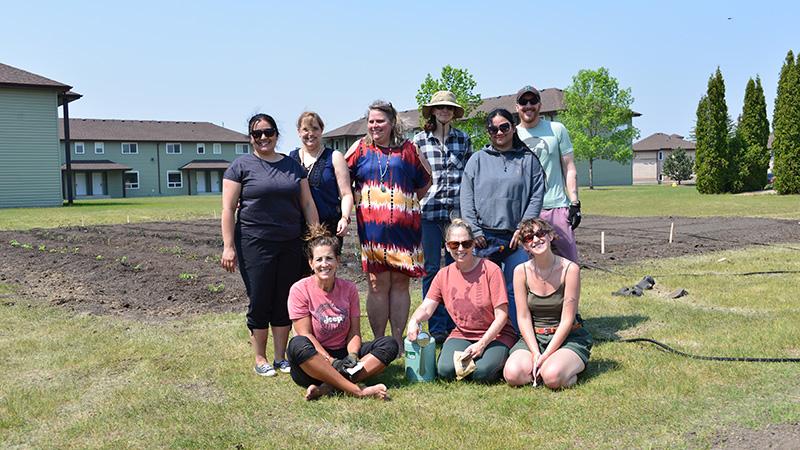
Living in harmony with the land and learning from it are key lessons that Charlene Bonnar hopes to teach in her Indigenous Storytelling course. This year, those lessons spilled out of the classroom and took root when she and her students planted the first seeds in what would become their community garden.
It was a natural extension of what they were learning in the classroom, says Bonnar, as well as a way to address food insecurity and create a sense of community among the students and the college.
“The student food pantry provides canned goods, but fresh products such as milk, meat, cheese, fruits and vegetables are harder to manage,” explains Bonnar, chair of the university transfer department. “We hoped to be able to provide fresh vegetables at no cost to the college community.”
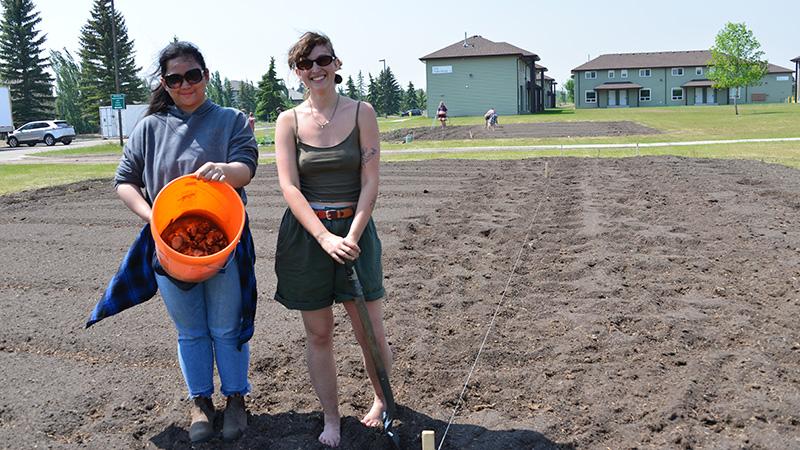
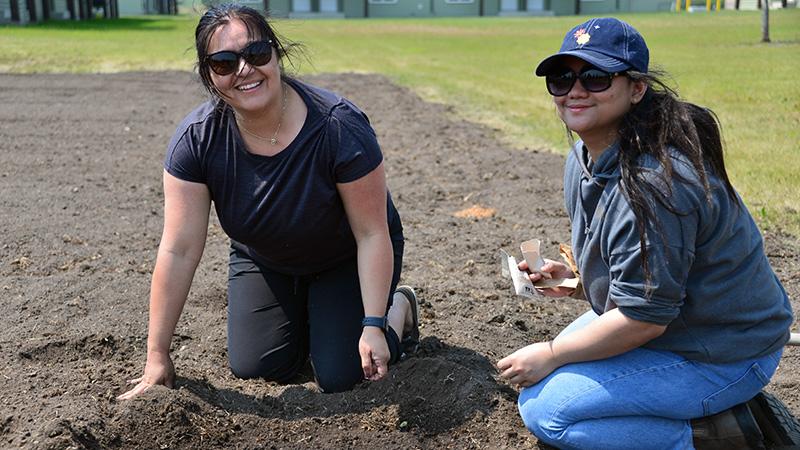
Bonnar invited Wes Fine Day, a traditional knowledge keeper from the Sweetgrass First Nation, to address the class, sharing stories of community building and learning from nature before joining the students at the garden site, located in the middle of Residence at the Lloydminster campus. He offered a blessing to the land and planting followed later.
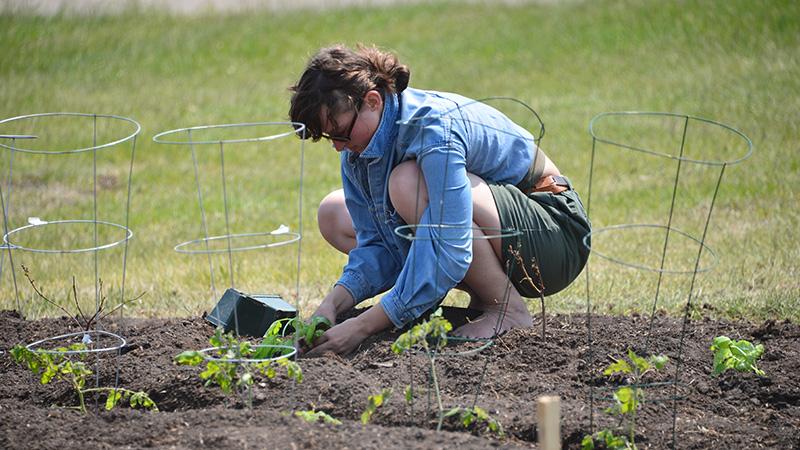
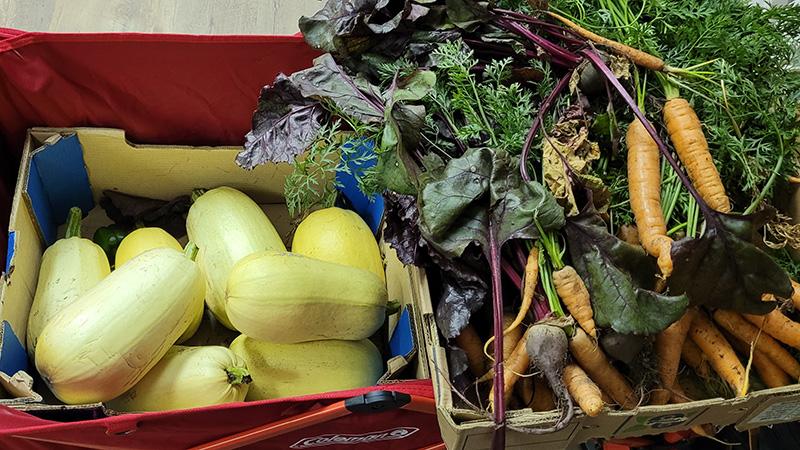
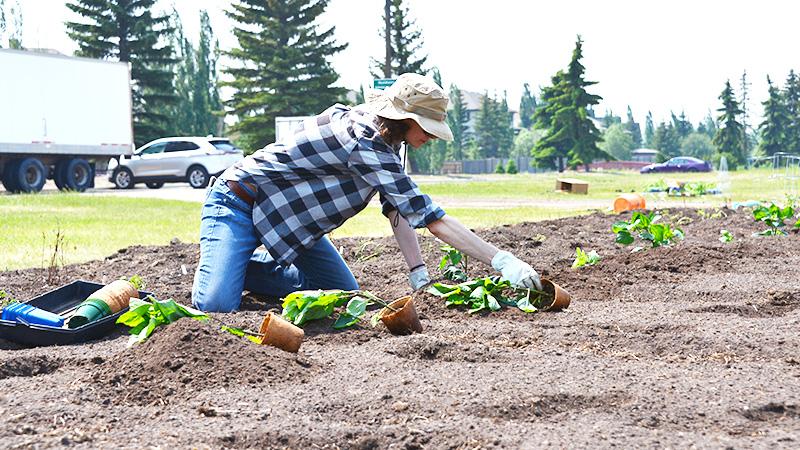
“For our first year, we planted fairly low-maintenance vegetables,” says Bonnar, which included potato, beets, peppers, corn, tomatoes and carrots. The science lab staff experimented with starting seeds indoors, so the group was able to transplant several seedlings. They also planted some fruit-bearing shrubs and trees, as well as herbs and flowers.
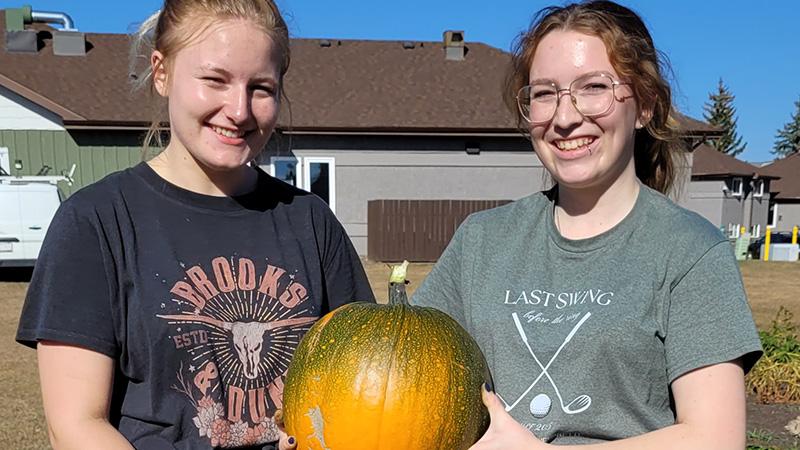
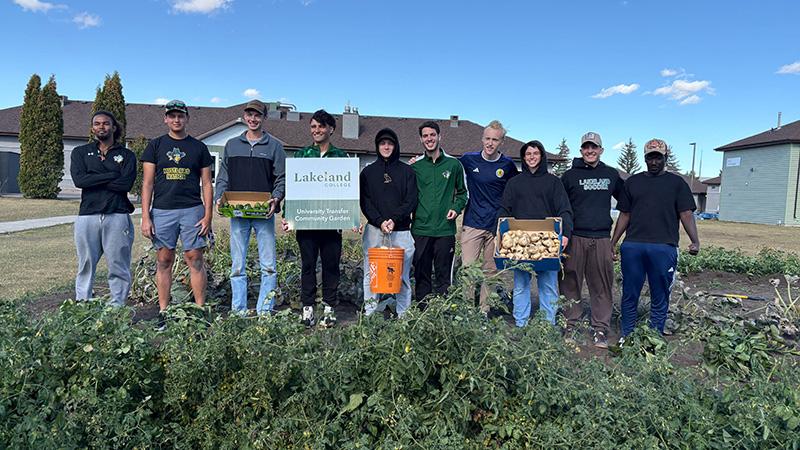
Her Indigenous Storytelling students left for the summer, and in the fall, the gardening team recruited more student volunteers to help with the harvest, including university transfer students and Rustler student-athletes.
Josh Malin, a general business student and member of the men’s soccer team, was one of the volunteers, who saw harvesting as an opportunity to bond with his teammates and learn something new.
“You don’t see us in gardens too often,” he says. “It’s always important to give back to the community. My townhouse residence is 15 feet away from this garden, so having the opportunity to do all that so close to home was really special.”
His teammate Orrin Edighoffer, studying child and youth care counselling, agrees, saying, “We got all hyped about everything, like finding the biggest potato or tomato. There were good laughs and great memories. It was good to be able to learn new things and be able to help people who need it when they’re struggling.”
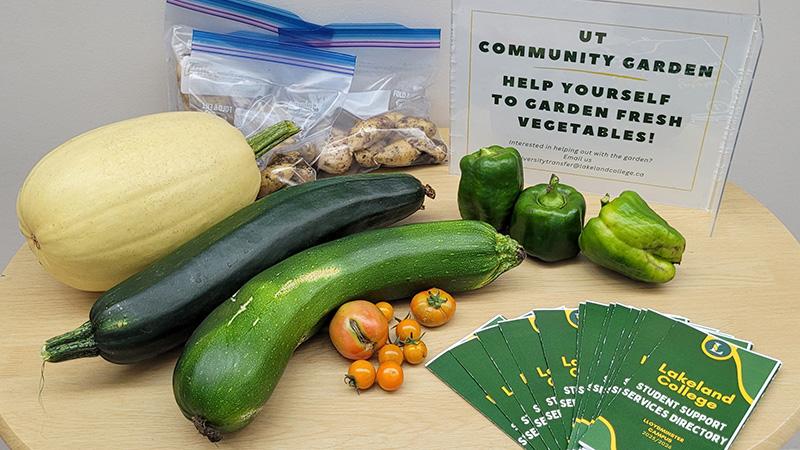
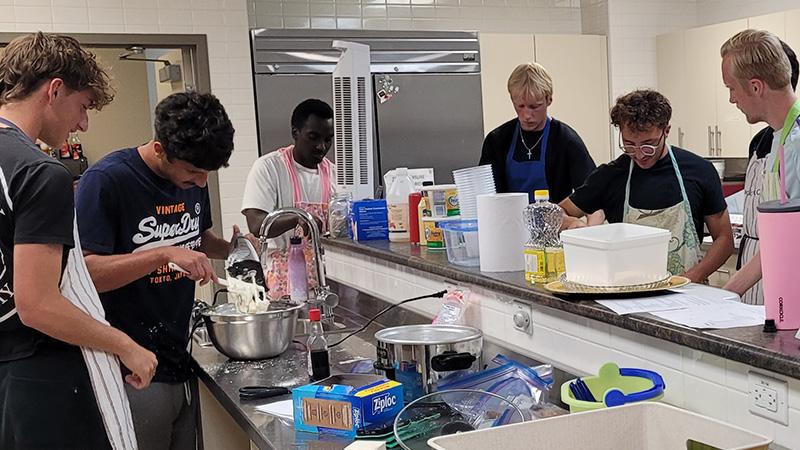
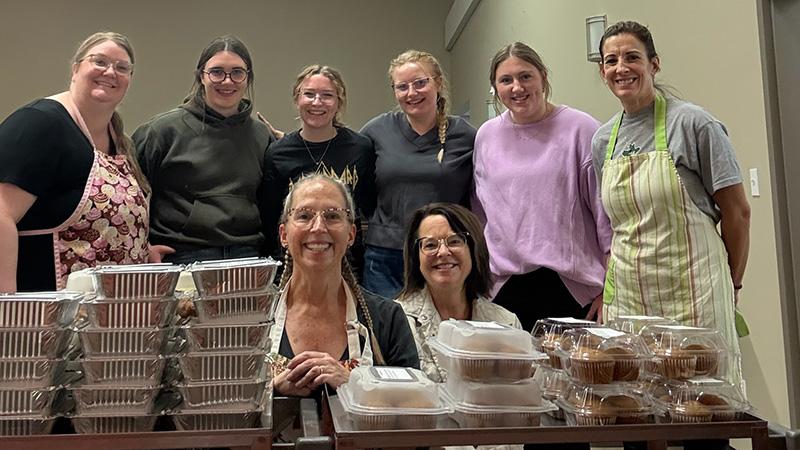
Vegetables from the garden were shared with students, as well as incorporated into big cook events, where students came together to cook nutritious meals to stock the student pantry which supplies students facing food insecurity with free home-style options. Using the freshly-harvested goods, students made tomato sauce with spaghetti, chili, baked potato soup, casseroles, pumpkin and zucchini muffins and more.
“It’s helping combat an issue that many people suffer from but don’t talk about, which is food insecurity,” says university transfer student Olivia Berry, who is studying to become a psychologist. “Nutrition is the backbone of our community and what enables people to function properly. This project is making sure students are being fed and are able to learn while on campus.
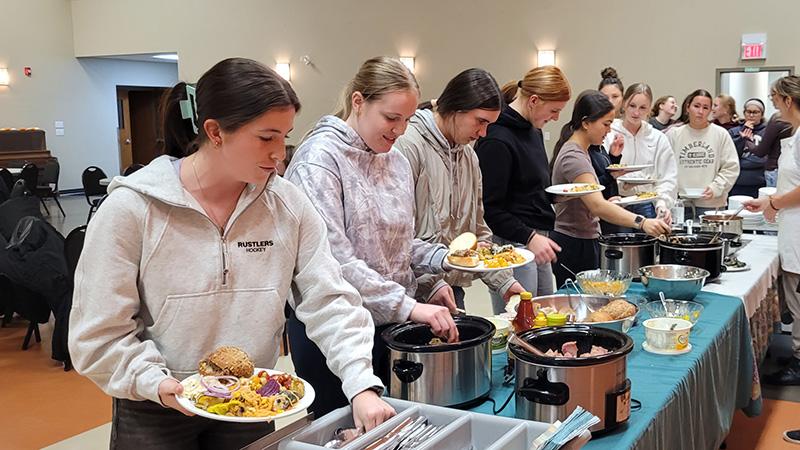
 At the end of October, the students celebrated the success of their garden by hosting
a harvest dinner, open to community members. They served many dishes featuring their
garden produce like roasted potatoes, zucchini casserole, spaghetti squash casserole,
borscht, picked beets and pickled green tomatoes and more.
At the end of October, the students celebrated the success of their garden by hosting
a harvest dinner, open to community members. They served many dishes featuring their
garden produce like roasted potatoes, zucchini casserole, spaghetti squash casserole,
borscht, picked beets and pickled green tomatoes and more.
University transfer student Madison Shank, who is studying to become a teacher, grew up gardening and was happy to have the opportunity to put those skills to use feeding her fellow students and community members, as well as connecting with her peers.
“About 50 people came to the harvest dinner,” she says. “Some students came, along with quite a few families as well. People don’t realize a lot of students here deal with food insecurity. They need supports like this and it’s great that we had an opportunity to help them.”
Next year, the gardening team intends to expand the garden, incorporating perennials like strawberries, rhubarb and herbs, as well as working with Indigenous Support Services to establish some Indigenous plant beds.
Funding for the community garden project came from the proceeds of Feast on the Farm, an annual event that raises funds to support student-led initiatives like this one.
“Projects like this help build empathy for other people,” says Berry. “It’s important to give back to your community, especially through good food. I’m able to take on a different perspective when I’m working in the garden, when I’m working with other people. I am able to explore different versions of what my career could become.”
“It’s a heartwarming feeling to help people out when they’re struggling. Donors are able to support these projects for us, letting us experience something new and also helping us support the people around us,” adds Edighoffer.