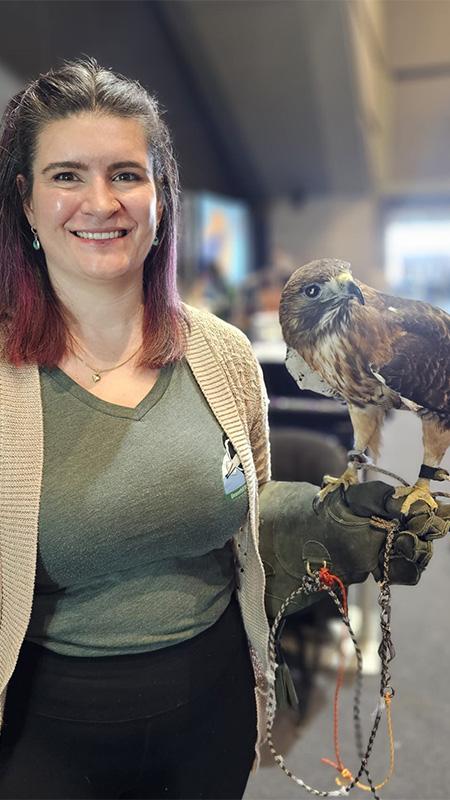
 Self-proclaimed “bird nerd,” Jana Teefy spends many of her days in the forest around
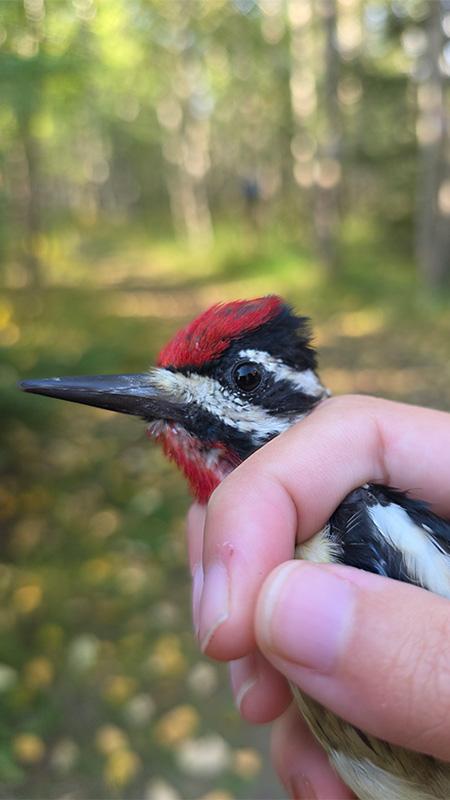
the Beaverhill Bird Observatory (BBO), cradling birds in her hands as she bands them, making notes about them and
releasing them again.
Self-proclaimed “bird nerd,” Jana Teefy spends many of her days in the forest around
the Beaverhill Bird Observatory (BBO), cradling birds in her hands as she bands them, making notes about them and
releasing them again.
She’s part of an expanding network of biologists working to track the migratory habits of various species of birds and conserve their habitats to ensure the species thrive in the future.
However, it’s her work educating and inspiring future generations of ornithologists that she believes will have the biggest impact on bird conservation.
Before launching her career in bird conservation, Teefy spent 18 years as a veterinary technologist. A volunteer position at the BBO inspired her to head back to school for a career change to work with wild animals instead. She enrolled in Lakeland College’s environmental sciences diploma program, majoring in wildlife and fisheries conservation.
 “I absolutely loved every moment at Lakeland,” she says. The Class of 2022 alumna’s
first year at Lakeland was impacted by the COVID-19 pandemic, with most classes online.
“I absolutely loved every moment at Lakeland,” she says. The Class of 2022 alumna’s
first year at Lakeland was impacted by the COVID-19 pandemic, with most classes online.
The lab components continued to be in person, however, which greatly influenced her decision to attend Lakeland. She also appreciated the hands-on learning experiences and countless outdoor certificates, including wilderness first aid, bear awareness and small engine repair.
Now, Teefy is the head biologist at the BBO, located an hour’s drive east of Edmonton. On top of managing volunteers and staff, she heads up the observatory’s research projects.
“I love being in the forest, waking up to the birds calling and then getting to be hands-on with them. It’s quite the privilege to be able to see them that close and study them that closely,” she says.
Conservation
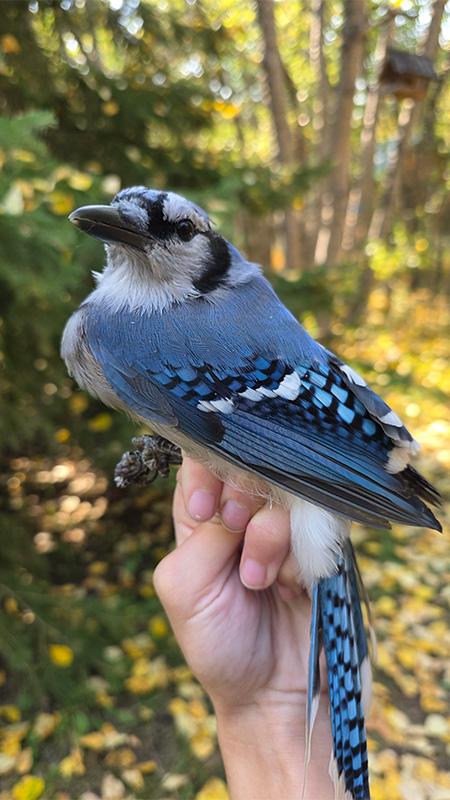
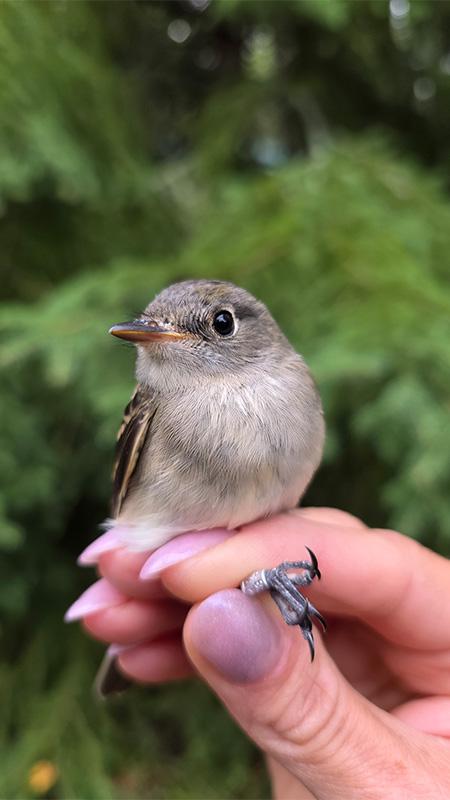
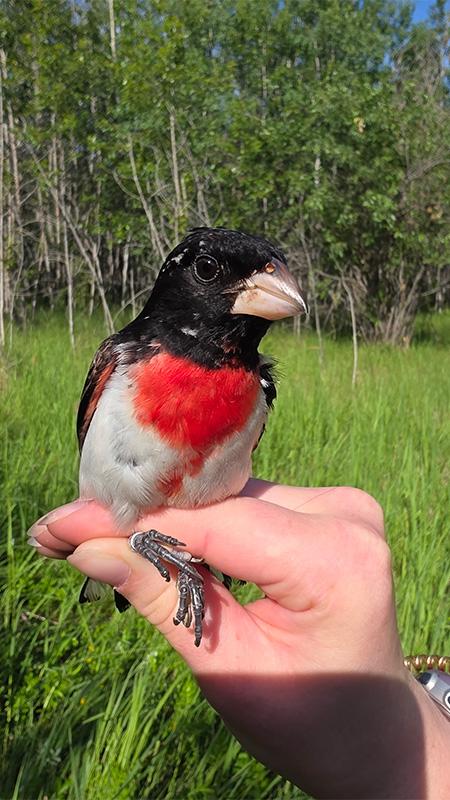
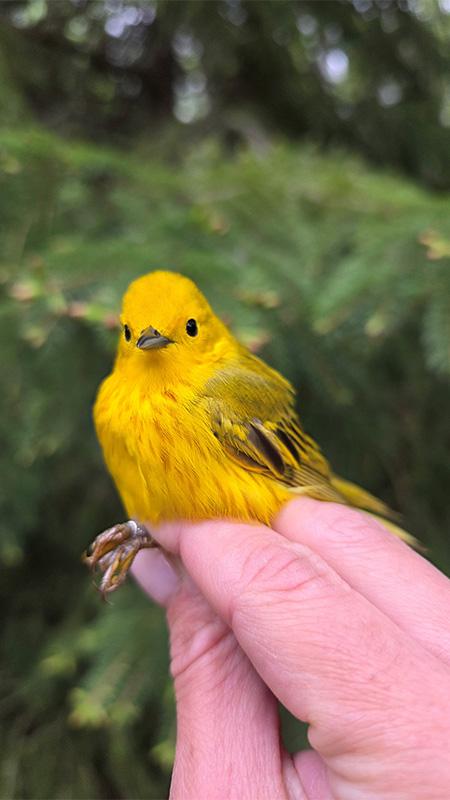
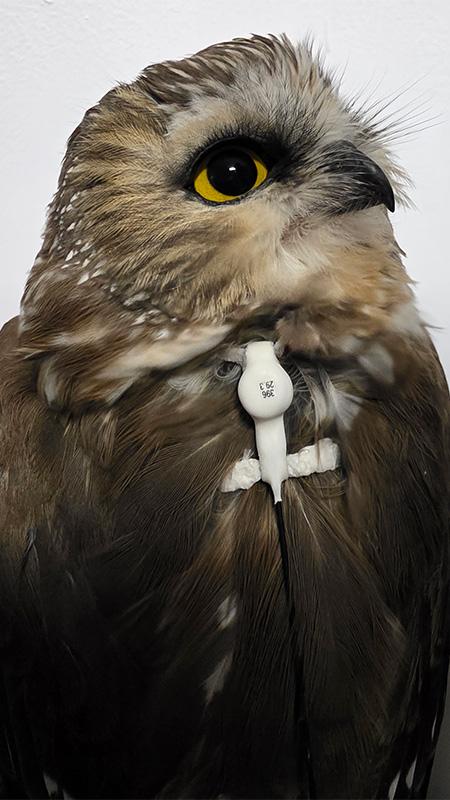
The BBO studies songbirds and owls. The birds are captured in mist nets, numbered bands are put around their legs, and data including location and various measurements is taken and recorded before the birds are released. When the birds are caught again at other stations, similar measurements are taken and added to the database so researchers can see where the birds have gone and how they are doing.
“We’re gathering information on the age and sex dynamics of our songbird population, as well as what’s moving through our area,” Teefy explains. She and the rest of the staff at the BBO track migration patterns in the spring and fall, including which birds are passing through the area, where they end up, how long it takes them to get there and where they stop along the way.
“All habitats that birds interact with in their life cycle are important to conserve,” Teefy says. “A lot of people are interested in where the birds start and where they end, but the journey along the way is just as important.”
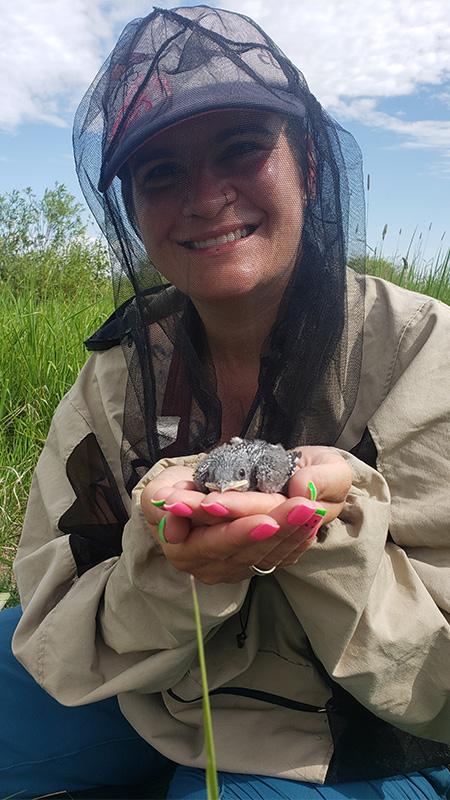
In the summer, she tracks the breeding success of the songbirds in the area, including timing of egg laying and fledglings, percentage of old versus young birds and the nesting success rate.
It isn’t the only research the BBO is involved with. They are also part of Motus, an international research community that tracks the movement and behaviour of birds, bats and insects with nanotags that transmit information to stations placed around the world and recorded in a centralized database.
Education
Teefy loves these parts of her job, but she also believes it’s the education part that’s going to have the longest impact on the future of bird conservation. At the BBO, they take on summer interns each year, work with volunteers, host young ornithologist workshops, welcome visiting school groups and conduct educational outreach sessions.
“The research we do is important, but the education, outreach and inspiration is more important, I think,” Teefy says. Part of that involves welcoming visiting groups of students from Lakeland’s environmental sciences programs each fall.
“It’s always exciting to see new groups coming through and try to inspire them to become bird nerds. Every year since I graduated, I’ve known some of the people who’ve come to visit the BBO. Some of our younger ornithologists and volunteers have gone to Lakeland and I’m always excited to see how happy they are at the college,” she says.
Inspiring those future generations of ornithologists is key to bird conservation.
“We can band a bird, but that doesn’t save it. It’s inspiring people to work on conservation, to put stickers in their windows to stop collisions, to do all the little things that can help save our bird population."